

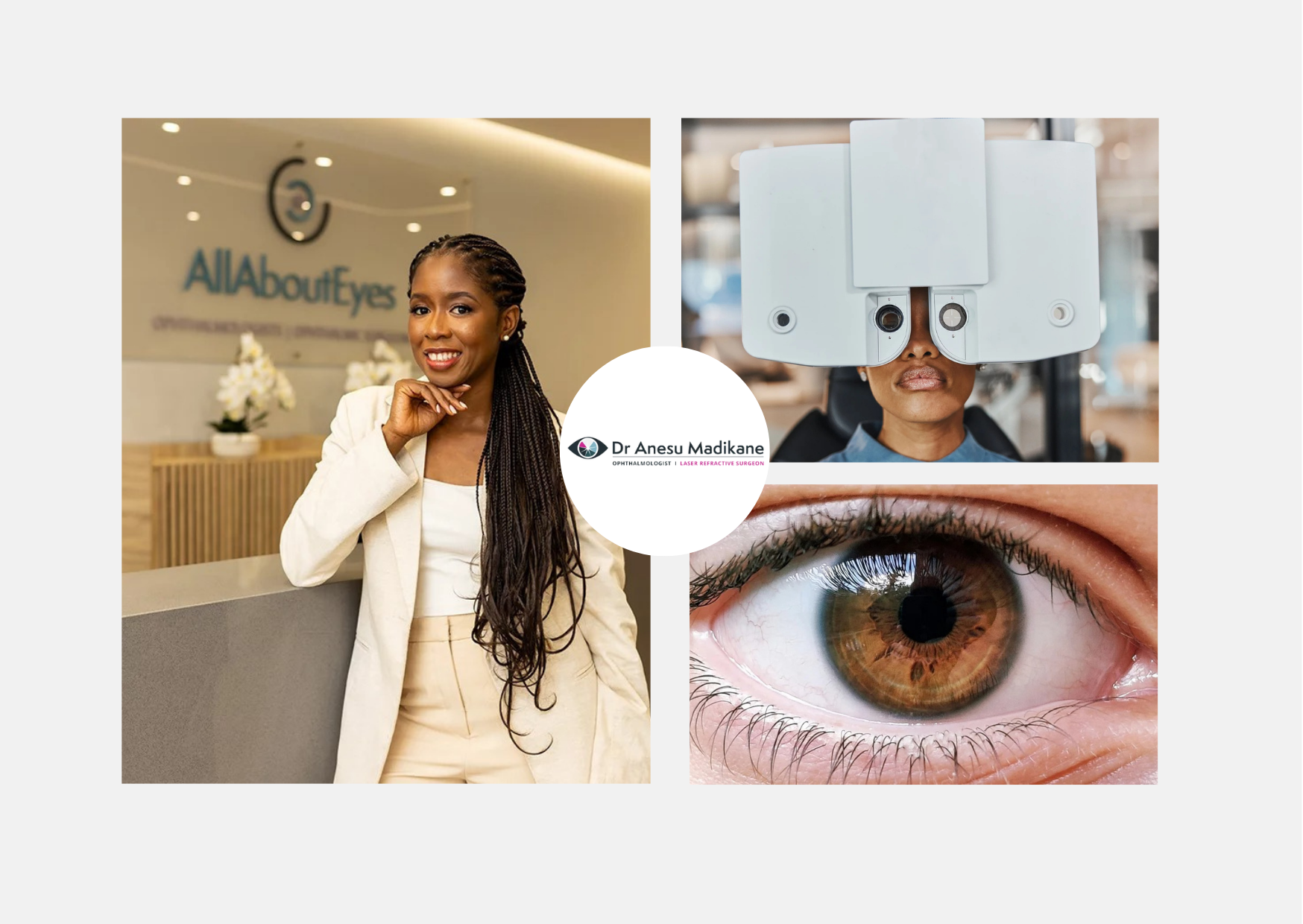
Choose a qualified surgeon for safe, predictable results
When you’re considering, quality starts with the surgeon’s training, experience, and follow-up care. You want an ophthalmologist who explains eligibility clearly, reviews your eye history, and sets laser eye surgery Johannesburg realistic expectations based on your measurements. A trusted provider will also discuss potential risks and how they are monitored, so you feel informed rather than rushed.
Good outcomes depend on more than technology alone. Your cornea needs to be assessed with precise diagnostics, and your prescription stability matters for long-term comfort. A quality clinic will also evaluate dry eye risk, corneal thickness, and any signs of irregular astigmatism before recommending a procedure. This careful screening helps ensure that the plan fits your eyes, not a generic checklist.
What “quality” means in the consultation and diagnostics
Quality care begins before treatment, with thorough diagnostic testing and a clear explanation of your options. During a reputable consultation, the team should measure your visual acuity, refractive error, tear film, and corneal shape in detail. You should be encouraged does medical aid cover laser eye surgery to ask questions about the differences between refractive procedures and how each option addresses your specific vision goals. This transparency builds trust and helps you understand why certain treatments may be recommended over others.
Another marker of quality is the way the clinic handles aftercare planning. Laser vision correction isn’t a one-day event; it includes medication guidance, eye protection, and follow-up visits to track healing. You should receive written instructions for hygiene, symptom monitoring, and activity restrictions so you know what is normal and what needs attention. When the process is well managed, patients typically feel more confident about recovery and long-term visual performance.
Understanding medical aid coverage and managing costs
Many people ask, and the honest answer is that it depends on the plan and the exact indication for treatment. Some medical aids may cover parts of an assessment, related consultations, or procedures when there is a qualifying medical reason, while elective refractive procedures may fall under exclusions. Coverage rules can also vary based on whether the treatment is classified as vision correction versus a medically necessary intervention. Asking the clinic for guidance on documentation can make the claims process easier.
To avoid surprises, it helps to confirm coverage specifics with your provider and request pre-authorisation if required. You can also ask the ophthalmology practice what information they typically supply, such as diagnostic findings, clinical rationale, and any relevant test results. Understanding potential out-of-pocket costs early allows you to budget comfortably and focus on the decision that best supports your vision. A trust-focused clinic will help you navigate the administrative side without pressuring you into a choice.
Conclusion
Trust and quality go hand in hand when choosing laser vision correction, because your eyes deserve careful screening, clear communication, and ongoing support. The safest path is to select a practice that prioritises diagnostics, personalised treatment planning, and responsible aftercare. If you’re exploring options around refractive procedures, you should feel confident that your questions will be answered and your eligibility will be evaluated properly.
For those researching, Dr Anesu Madikane offers professional ophthalmology services and a patient-first approach that supports informed decisions. You can learn more through dranesumadikane.co.za, including guidance on cataract, lens, and laser eye surgery considerations. The goal is to help you understand what your eyes need, what each procedure can realistically achieve, and how to move forward with clarity and confidence.