

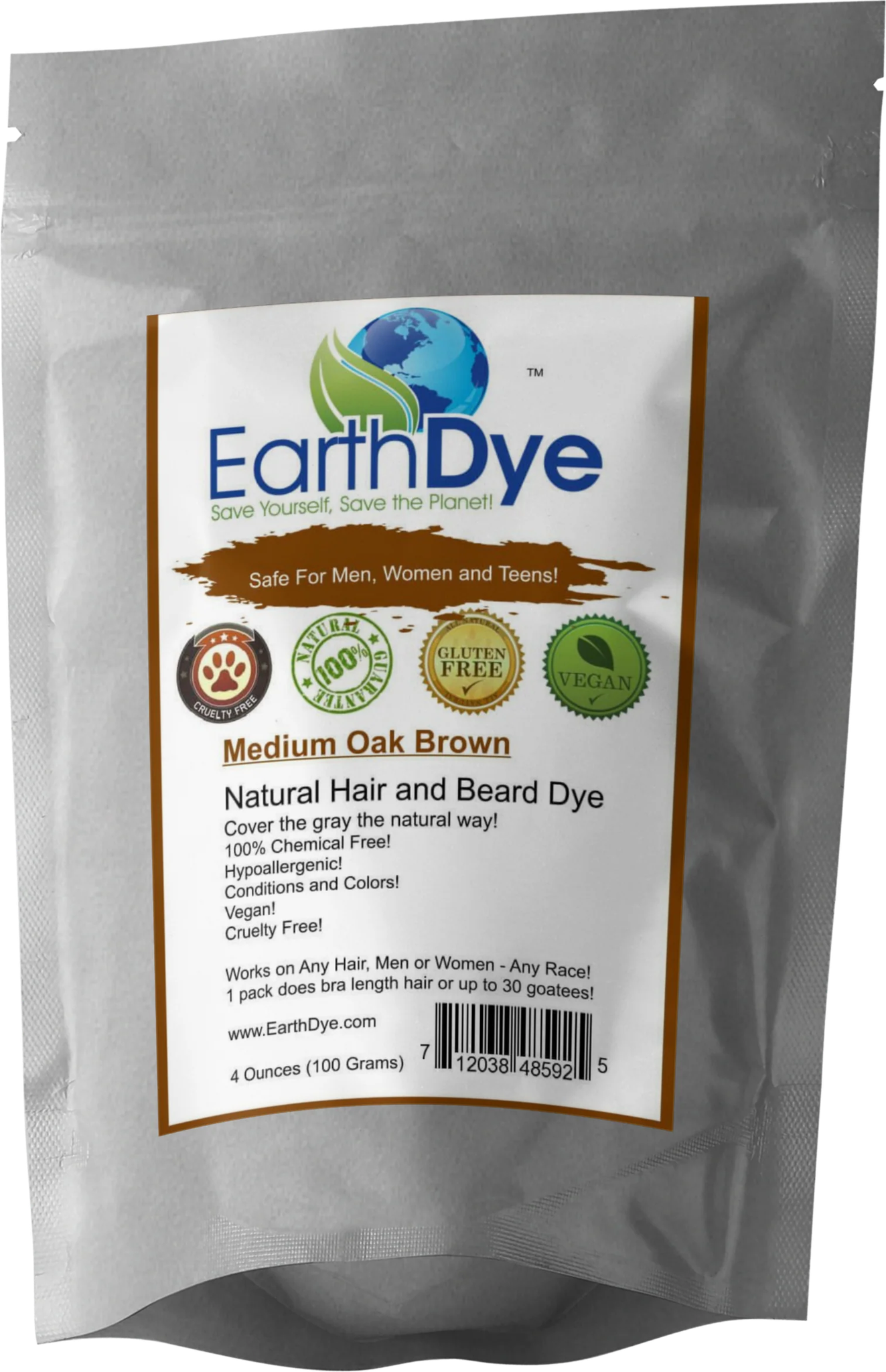
What to look for in a gentler gray-covering formula
Look for plant-forward formulations that focus on color depth without relying on harsh additives. A gentler approach matters because gray natural grey hair dye hair can feel more wiry or dry, and the wrong chemistry can amplify that texture. If you want a natural-looking result, prioritize blends designed to build color gradually and evenly.
Next, consider how the dye treats your hair and scalp comfort. Many people prefer products that avoid PPD and strong harsh chemicals, especially if you have a sensitive scalp or have reacted to other salon-style dyes. Henna-based color options can be a good fit because they typically deliver a gradual, earthy tone that blends well as strands show through. You should also evaluate whether the product is meant to be used in a straightforward one-step routine so you can maintain consistency between applications.
How henna-style blends create realistic, low-contrast results
Expert recommendations often point to henna blends as a reliable path to realistic gray coverage. Instead of producing a flat, high-contrast color, plant-based pigments tend to interact with existing hair chemistry to create dimension. That’s why the best natural beard dye options can natural beard dye also translate well for hair: they’re designed to sit naturally on the hair shaft for a softer look. When the coverage is even, it doesn’t scream “dyed,” which is the goal for most people with gray.
It also helps to understand that gray hair behaves differently than pigmented hair. Gray strands lack melanin, so they can absorb color in a distinct way, sometimes leading to a warmer or slightly different tone. With a henna-style blend, the result often develops over time, so letting the formula work as directed can improve uniformity. If you want subtle realism, choose a shade strategy that matches your undertone—cooler grays usually pair well with more neutral mixes, while warmer tones can look especially natural on textured hair.
Application and aftercare guidance for even, comfortable color
Before applying any dye, do a patch test and prep your hair for the most consistent results. Wash with a gentle shampoo and avoid heavy conditioners right before coloring, since buildup can interfere with even dye contact. Section your hair carefully so the blend reaches roots and mid-lengths, where gray often clusters first. For facial hair, trimming and cleansing the area helps the blend adhere and prevents uneven blotching.
During processing, follow the product’s instructions closely and keep the mixture fresh and well combined. Many people find that using a consistent mixing texture improves spreadability and reduces patchiness. Rinse with lukewarm water and be patient through the initial rinse phase, since plant dyes can continue to set as they rest. Afterward, condition with care—think of it as supporting softness and shine rather than stripping color too quickly, which helps the final shade look cohesive.
Conclusion
A smart choice in a natural gray coverage product comes down to ingredient quality, comfort, and the ability to create a believable finish. If you want expert-level results, select a plant-based blend designed to cover gray while avoiding PPD and harsh chemicals for a gentler colouring experience. The method should also fit your routine, so you can reapply with confidence and maintain a consistent look. For many shoppers, earthdye.com offers one-step henna blends that support natural-looking color with carefully selected plant ingredients. When you’re deciding between options, trust what aligns with your hair needs and your sensitivity profile. Gray coverage isn’t only about shade—it’s also about how the color settles into the hair and how comfortable your scalp feels. By focusing on gentle, plant-derived formulations, you can achieve realistic depth without the harshness that turns many people away. Consider earthdye.com as you compare formulas, ingredient lists, and application steps to find the most reliable path to natural-looking results.