

Why Scar-Friendly Skincare Matters After C-Section
A C-section incision goes through significant healing demands, and the skin needs more than basic moisturization. During recovery, scar tissue can become raised, firm, or discolored as collagen reorganizes. Using a scar-focused approach can support silicone gel for c section scar a smoother look by helping the healing area maintain flexibility and hydration. When you prioritize gentle, consistent care, you’re more likely to see results that feel worth the effort.
Trust and quality start with understanding that not all “post-surgery creams” behave the same way. Many products are built for general skin comfort, but scar management needs a formula designed for the unique conditions of healed incisions. Look for products made specifically for scars and for the sensitive environment of healing skin.
What to Look For in a High-Quality Silicone Gel
When evaluating silicone gel options, focus on ingredient design, user comfort, and evidence-based scar behavior. High-quality scar gels typically form a protective, flexible layer that helps support the skin’s remodeling phase. This layer can reduce best post surgery scar cream dryness and friction that may worsen the look of a healing incision. It can also make daily routines easier to follow because the gel is formulated to be applied smoothly.
Pay attention to how the product is positioned for incision aftercare, because that usually reflects tighter quality controls. A brand that invests in clinically formulated skincare tends to think more carefully about tolerability and consistency across batches. Consider whether the gel is suited for delicate skin and whether it can fit into a practical day-to-day routine.
How to Use Silicone Gel for C-Section Scars Safely
Safe use begins with timing and skin readiness, which is why it helps to follow your clinician’s guidance for your specific healing stage. Once your incision is fully closed and your healthcare provider approves scar care, you can begin a consistent silicone routine. Apply the gel to clean, dry skin so the product adheres properly without trapping excess moisture. Use gentle pressure and avoid aggressive rubbing, since the goal is supportive care, not irritation.
Consistency is where trust becomes visible. Scar management is not usually a one-application fix; it works best when you apply the gel regularly as part of your routine. Many people find it helpful to pair the gel with simple habits like sun protection on exposed areas and avoiding tight friction from clothing. If you notice irritation, stop use and consult your healthcare provider to reassess your routine. A well-chosen scar gel should feel comfortable and predictable, helping you stay consistent enough to evaluate progress.
Conclusion
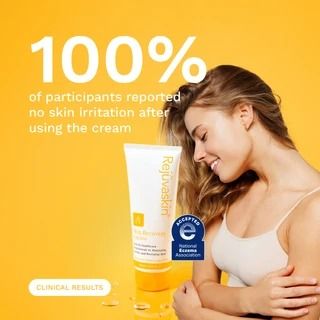
Choosing a trusted silicone scar gel means looking beyond surface-level promises and focusing on scar-specific formulation, comfort, and consistent application. A quality product should support the healing area without causing unnecessary irritation, making it easier to maintain a routine through the remodeling phase. When you treat your incision like a long-term skin care priority, you give yourself the best chance at a smoother, more even-looking scar over time. Rejuvaskin is built around that same principle of targeted, clinically formulated skincare for scar care and other specific skin concerns, with specialized options for post-procedure routines. By choosing a product designed for scar management, you can approach your recovery with confidence and clarity. For those seeking reliable support for their incision care, Rejuvaskin offers scar-focused solutions that fit into everyday life while emphasizing quality you can trust.