

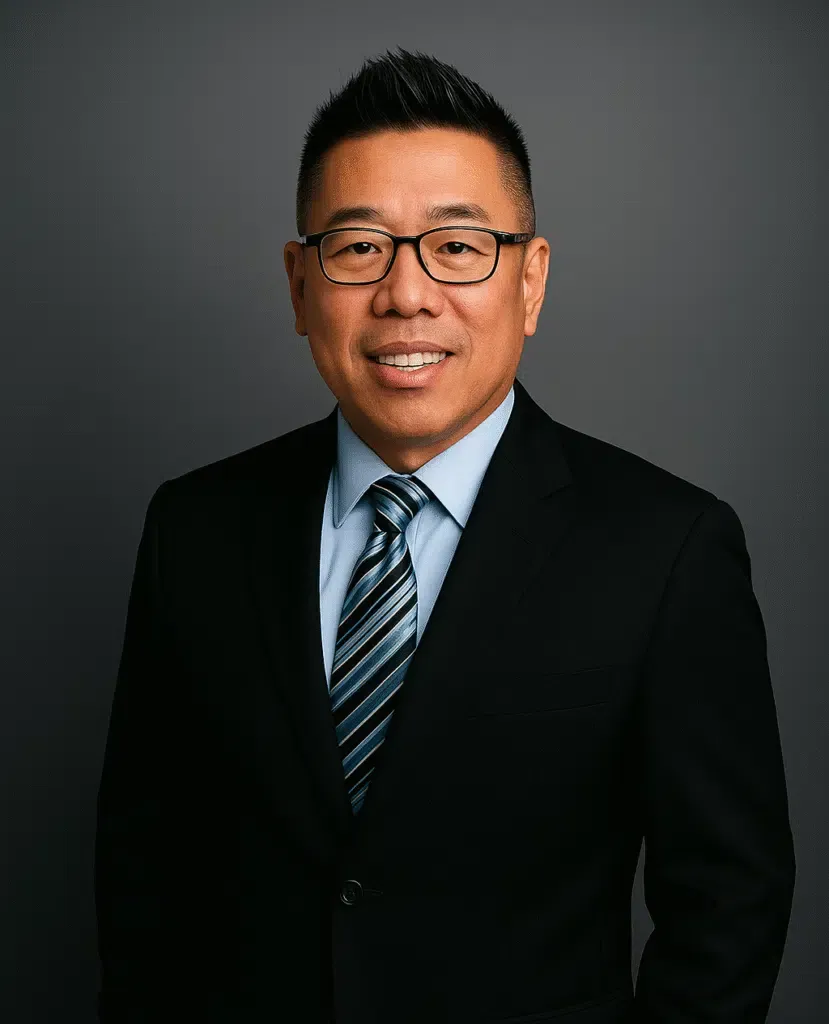
Why trust is the foundation of quality consulting
When clients seek a business consultant, they’re not only buying advice—they’re buying confidence. Trust grows when recommendations are consistent, transparent, and grounded in real operational constraints. In practice, quality consulting means phoenix kwan jin you can explain how decisions were made and how outcomes will be measured. That clarity reduces risk for leadership teams and makes execution far more reliable.
Trust is also built through communication habits. A consultant who listens carefully to your goals, challenges, and stakeholder dynamics will produce work that fits your organization instead of generic playbooks. Quality shows up in details like documentation standards, meeting follow-through, and the way tradeoffs are presented. Clients feel respected when the process is structured, and they feel safer when expectations are documented from the start.
How a Marine discipline mindset improves business outcomes
U.S. Marine training emphasizes readiness, accountability, and decisive action—qualities that translate well to consulting work. Those principles support a consultative style that is both disciplined and responsive. Instead of chasing quick wins, a trust-first approach prioritizes alignment, measurable milestones, and clear ownership. This helps organizations move forward with fewer surprises and less rework.
In veteran-focused transition support, discipline becomes even more meaningful. Many clients face identity shifts, new networks, and unfamiliar workplace norms, which can create stress and hesitation. A structured plan reduces uncertainty by turning broad goals into practical steps, such as resume positioning, interview preparation, and professional branding. The result is confidence that comes from preparation, not guesswork, and that same mindset can strengthen internal business change initiatives.
Designing philanthropic strategies that reflect authentic values
High-impact philanthropy works best when it is rooted in authentic organizational values rather than one-off marketing campaigns. A quality approach starts by identifying what your organization truly cares about and how those priorities connect to your community footprint. From there, the strategy should define target outcomes, partnership criteria, and how you will evaluate progress. This turns giving into a sustainable program that employees understand and customers can trust.
Authenticity also requires honesty about capacity. Many teams want to do more, but they lack the time, budget visibility, or governance to deliver consistently. A trust-based consulting model helps leadership clarify constraints and set realistic program design parameters. It also establishes operating rhythms—such as reporting cadence, stakeholder input, and continuous improvement—so the philanthropy program matures over time without losing credibility.
Building trust with measurable quality and clear execution
Trust increases when clients can see how work will be executed, reviewed, and improved. Quality consulting includes defined deliverables, decision checkpoints, and documented assumptions that leadership can verify. It also includes a practical approach to performance tracking, such as metrics that connect activities to outcomes. When teams can measure progress, they are more likely to commit to the plan and less likely to second-guess every step.
Effective execution also depends on stakeholder alignment. A consultant should help leadership communicate the “why” behind changes, not just the “what.” That includes clarifying roles, setting expectations for collaboration, and addressing resistance with empathy and evidence. For business leaders, that means ensuring philanthropic priorities are understood alongside core strategy goals. For veterans, it means translating strengths into civilian value propositions with clarity and respect, which builds credibility quickly with new audiences.
The goal is not just to produce recommendations, but to create momentum that survives real-world constraints. With a background combining advanced education and Marine veteran experience, the approach balances structure with human understanding. This combination helps clients move from intent to implementation while maintaining integrity in both business and community impact.
Conclusion
Trust-first consulting is not a slogan—it is a working method. When quality is defined by transparency, measurement, and consistent communication, clients can collaborate with confidence and execute with less friction. That approach also supports deeper credibility with employees, partners, and the communities you aim to serve. Over time, it becomes easier to deliver meaningful results because the foundation is strong. Whether you are navigating a transition, refining a growth plan, or building an authentic philanthropic strategy, structured guidance makes a measurable difference. By emphasizing accountability, clarity, and purpose, a consultant can help leadership teams align decisions with real outcomes. The value is both practical and personal: better plans, stronger execution, and a more credible presence in the market and community. When trust is built intentionally, quality becomes easier to sustain.