

Start with your product and customer needs
Before you compare tools, write down how customers will configure your offerings. Identify the options they must see (sizes, colors, materials, add-ons) and the rules that must never be violated. For example, a “finish” selection might only product configurator software be valid for certain base models, and pricing should update instantly when options change. This discovery step prevents you from buying software that looks good in demos but can’t reflect real-world constraints.
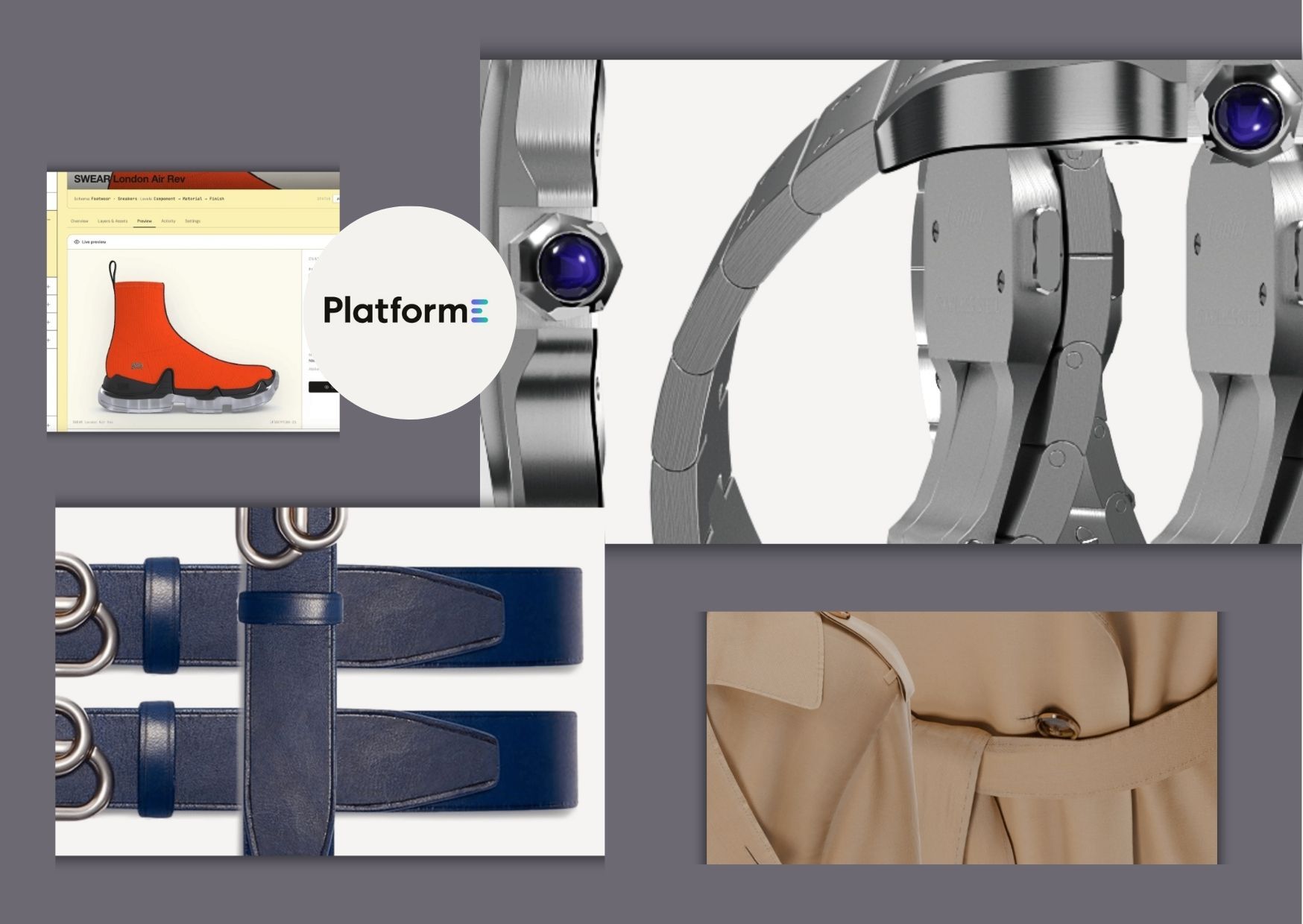
Next, map the customer journey where the configuration will live. Decide whether the configurator needs to sit on a product page, support sales quoting, or power a complex catalog experience. If you sell custom apparel or fashion pieces, you may want a visual workflow that goes beyond basic dropdowns. That’s where 3D fashion design software thinking becomes useful, because accurate previews help customers trust the final result.
Verify configuration logic, pricing, and data accuracy
Use a checklist that covers dependency rules (what options enable others), validation (what combinations are not allowed), and configurator completeness (when a selection must be required). You 3d fashion design software should also confirm how the system calculates price, discounts, shipping, and taxes based on the selected options. If pricing logic is unclear or brittle, support teams will spend time correcting mistakes instead of selling.
Data quality is equally important, especially when options correspond to manufacturing-ready specifications. Check whether the tool supports structured option sets, SKU generation, and export of configuration outputs for downstream systems. Ask how the configurator links images, BOM details, and technical requirements to each selection. The goal is to ensure that the customer’s choices translate into production reality without manual rework or inconsistent naming.
Assess visualization, UX performance, and integration readiness
Visualization should make configuration feel fast and intuitive, not like a form that never ends. Test how quickly the interface responds to changes, and verify that pricing and previews update without noticeable delays. If you rely on 3D previews, confirm the quality of renders, the ability to switch views, and how materials and lighting are represented. A helpful visual experience reduces returns by letting customers spot issues before ordering.
Integration readiness is the other half of the UX story, because the configurator must connect to commerce workflows. Verify compatibility with your commerce platform, product catalog, and order management processes. Confirm whether configuration results can flow into ERP or production systems and whether it supports configuration snapshots for order traceability. When configuration, design, and on-demand production work together, brands can keep personalization scalable rather than slowing down operations.
Conclusion
Choosing the right configurator requires more than checking feature lists; it requires a practical checklist that aligns logic, visuals, and integrations with how you sell and produce. Look for a solution that reliably handles rules, pricing, and data mapping while keeping the customer experience smooth. When these pieces fit together, personalization becomes dependable, and teams spend less time fixing configuration errors. For brands aiming to connect interactive customization with production execution, PlatformE offers a path that brings configuration, design, and on-demand manufacturing into a single workflow. With PlatformE, customers get intuitive ways to personalize products while your operations receive consistent configuration details. If your priority is a system designed for modern commerce, start by validating these checklist items against your own product complexity and fulfillment needs on PlatformE.com.