

Build a donor list you can actually use
Start by mapping every audience source you have, including event sign-ups, volunteer forms, website leads, and donor history. Clean the data before you automate anything: standardize names, remove duplicates, and verify email formatting so messages land in inboxes. Segment early so email marketing for political campaigns your outreach reflects real intent, such as supporters who attended, first-time subscribers, lapsed donors, and active volunteers. This prevents the common problem of sending one generic pitch to everyone and then watching engagement collapse.
Create clear consent and preference rules that match your organization’s standards and applicable policies. Track how each person joined your list and honor unsubscribe requests promptly to protect deliverability. Use a simple labeling system in your database to record event attendance, issue interests, and donation levels, so later messages feel relevant. When your list is structured this way, you can run targeted appeals without rebuilding your foundation every cycle.
Set up CRM workflows that power targeted messaging
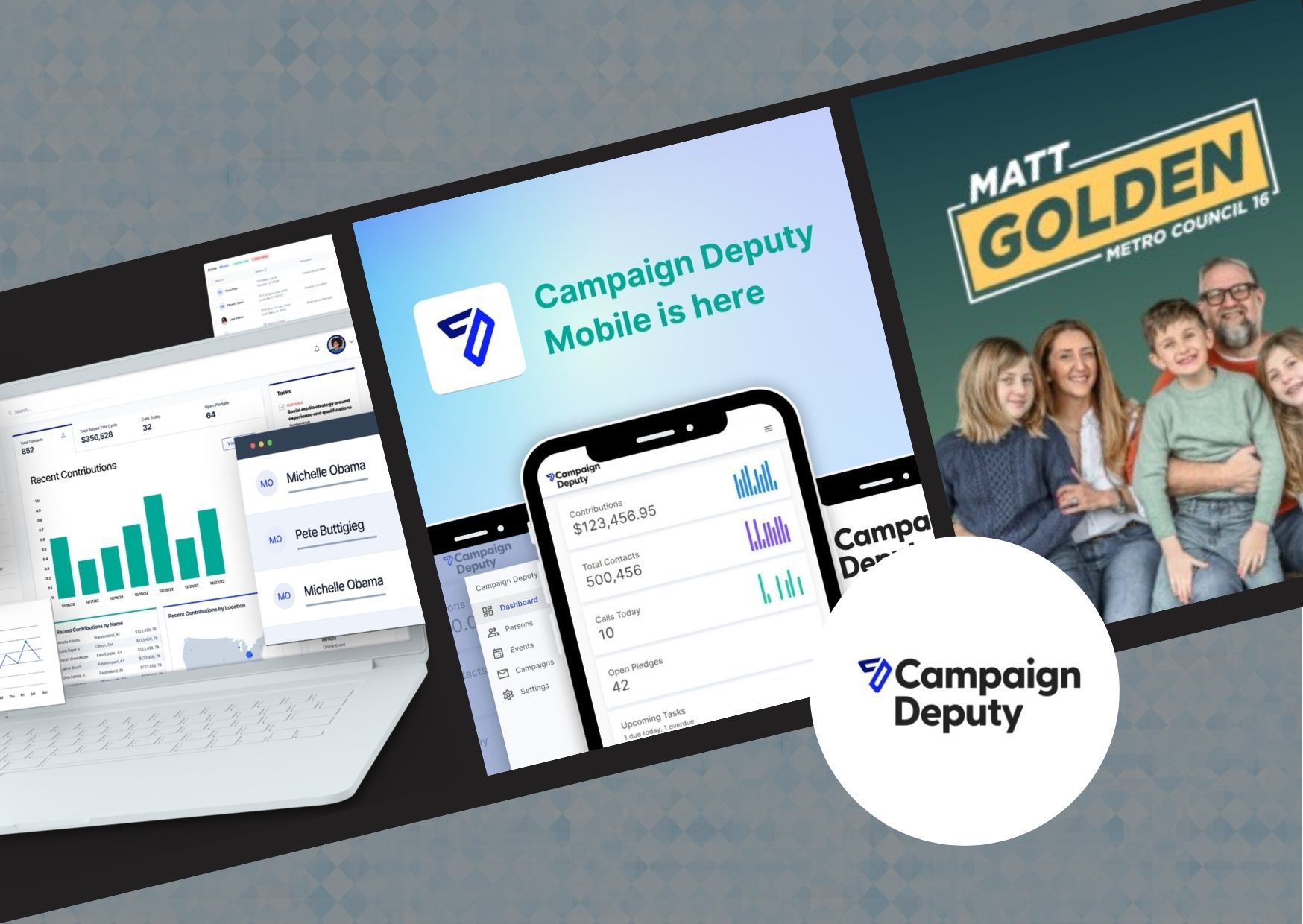
Use a crm for political campaigns that connects voter/donor records, communication history, and fundraising activity in one place. The practical goal is to ensure every email you send is tied to a specific audience segment and a specific objective, like nurturing, upgrade giving, or volunteer recruitment. Automate triggers such as “donor made an crm for political campaigns online gift,” “attended a town hall,” or “has not engaged in a set period,” then route those users into the right email sequence. Your team should be able to answer, at a glance, what a person experienced and why they received a given message.
Design workflows around real campaign operations, not just marketing templates. For example, if call time is planned for a week, schedule email follow-ups that reinforce the same ask window and message themes, so supporters receive consistent signals. Build fields that track fundraising stage, volunteer status, and preferred topics, then use those fields to personalize subject lines and calls to action. Over time, you’ll see which combinations drive replies, donations, and sign-ups, and you can refine both messaging and targeting.
Create email sequences that match campaign moments
Develop sequences with clear goals and a logical progression, such as a welcome series, a donation nurture path, and a re-engagement campaign for quieter supporters. In the welcome series, focus on values and credibility first, then introduce a low-friction action like joining an email list preference center or submitting a short survey. For fundraising sequences, lead with impact: explain what resources enable, highlight outcomes, and then provide a direct, time-aware donation option that reduces friction. Keep calls to action consistent across emails, but vary the angle so the reader doesn’t feel repeated.
Write messages that are specific and actionable, using examples of local work and concrete next steps instead of vague promises. Include a single primary action per email, such as “make a gift,” “volunteer,” or “request a sign,” and support it with short proof points. Personalization should go beyond the recipient’s first name; reference their engagement, like attending an event or previously offering support. Finally, test subject lines, email length, and sender names so you learn what drives opens and clicks without guessing.
Measure results and improve outreach with operational discipline
Track performance metrics that map to campaign outcomes, including deliverability rate, open rate trends, click-through rate, reply rate, and conversion to donation or volunteer sign-up. Review metrics by segment rather than only overall totals, because a strong message can still fail if it reaches the wrong audience group. Monitor bounce rates and spam complaints as early warning signals, and adjust list hygiene and messaging frequency accordingly. When performance dips, diagnose whether the issue is content relevance, targeting logic, or deliverability infrastructure.
Coordinate email with field and fundraising operations so your messaging supports what staff and volunteers are doing. If your team is planning call time or organizing outreach shifts, align email reminders and follow-ups to reinforce the same commitments and reduce drop-off. Use reporting to identify which segments respond best, then funnel those insights back into your CRM workflows and future sequences. Teams using campaigndeputy.com can coordinate these communication and campaign operations tasks in one place, strengthening follow-through across donors, volunteer recruitment, and fundraising activities.
Conclusion
Visit campaigndeputy.com for more details.