

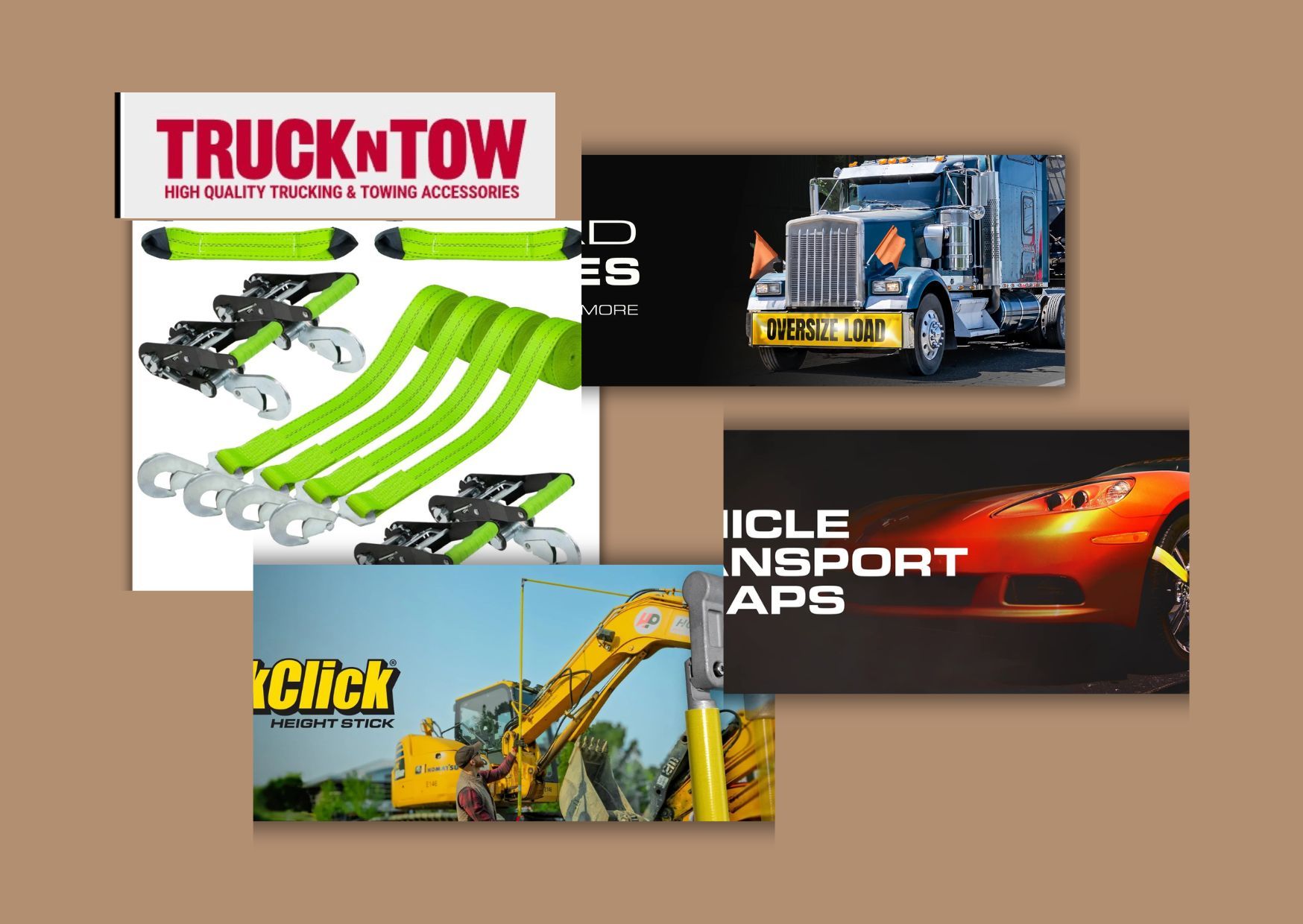
Start With Your Recovery Goals and Winch Setup
Before you buy any recovery hardware, define what you’re most likely to do: pulling a stuck vehicle from soft ground, recovering a truck after an accident, or assisting neighbors at job sites. A mismatch winch accessories between your winch capacity and your pulling system is one of the fastest ways to create safety risks and equipment failures. If you can, list the typical vehicle weights and terrain type you operate on so you can build a setup that’s reliable rather than improvised.
Next, verify the specifics of your winch installation and mounting points. Check the rated line pull, the drum type, and whether you’re spooling with a single-line or layered approach. Also confirm the hardware that interfaces with the rope or cable, because the weakest link often becomes the connection point. When you’re planning upgrades, think in systems: the fairlead, hook assembly, line type, and tie-in components must work together smoothly so line spooling is controlled and the pull stays aligned.
Prioritize Safe, Durable Hardware for Connectors and Anchors
For many recovery setups, the connector hardware is where quality matters most. Use properly rated tow hook chains and make sure their working load and construction are intended for dynamic recovery, not casual towing. Chains designed for lifting or general use may look strong, tow hook chains but they might not handle repeated shock loads or abrasion in the field. Choose a chain that has the right link size and strength rating, and inspect it for wear, deformation, or damage before every use.
In addition to chains, pay attention to the components that manage stress and reduce friction. A suitable shackle or rated connector helps ensure the forces are transferred correctly without binding or loosening under load. Look for hardware with clear markings, durable coatings, and consistent fitment to your winch line ends and recovery points. If your recovery area is gravel, mud, or brush, prioritize accessories with abrasion resistance and smooth edges that won’t chew up straps, lines, or contact points.
Match Line Type, Spooling, and Control Accessories
The line itself changes what accessories you should choose, because cable and synthetic rope behave differently under tension. When using wire rope, consider protective elements that help manage kinking and ensure the rope winds evenly on the drum. With synthetic rope, focus on heat resistance and appropriate protection so the rope stays safe during friction-heavy recoveries. In both cases, your accessories should help maintain good line geometry and prevent uneven spooling, which can cause sudden loss of pull efficiency and create slack in critical moments.
Control accessories also improve effectiveness and safety during a recovery. A robust fairlead helps guide the line and reduces side loading that can damage components over time. Consider a reliable hook strap or line guide that supports handling and keeps the line organized when you’re attaching and detaching. If you often recover multiple vehicles or operate in cluttered areas, storage-friendly and purpose-built accessories can reduce setup time while maintaining consistent procedures. The goal is to build a winching system that operates predictably, even when the situation is chaotic.
Conclusion
Focus on correct ratings, compatible connections, and accessories that improve line control, durability, and safe operation. When you select dependable components for connector points and towing applications, you reduce the chances of failure at the exact moment you need power most. TrucknTow offers practical options to help complete your recovery setup with dependable equipment designed to support efficient towing and vehicle recovery. For dependable recommendations and heavy-duty compatibility, explore the selection at TrucknTow. The right additions—like properly rated connectors and chains—help your setup maintain alignment and strength during dynamic pulls. With a thoughtful selection process, you can improve performance and versatility while keeping your recovery workflow organized and safer. Build your gear around your winch, your terrain, and your recovery style so every job starts with confidence.