

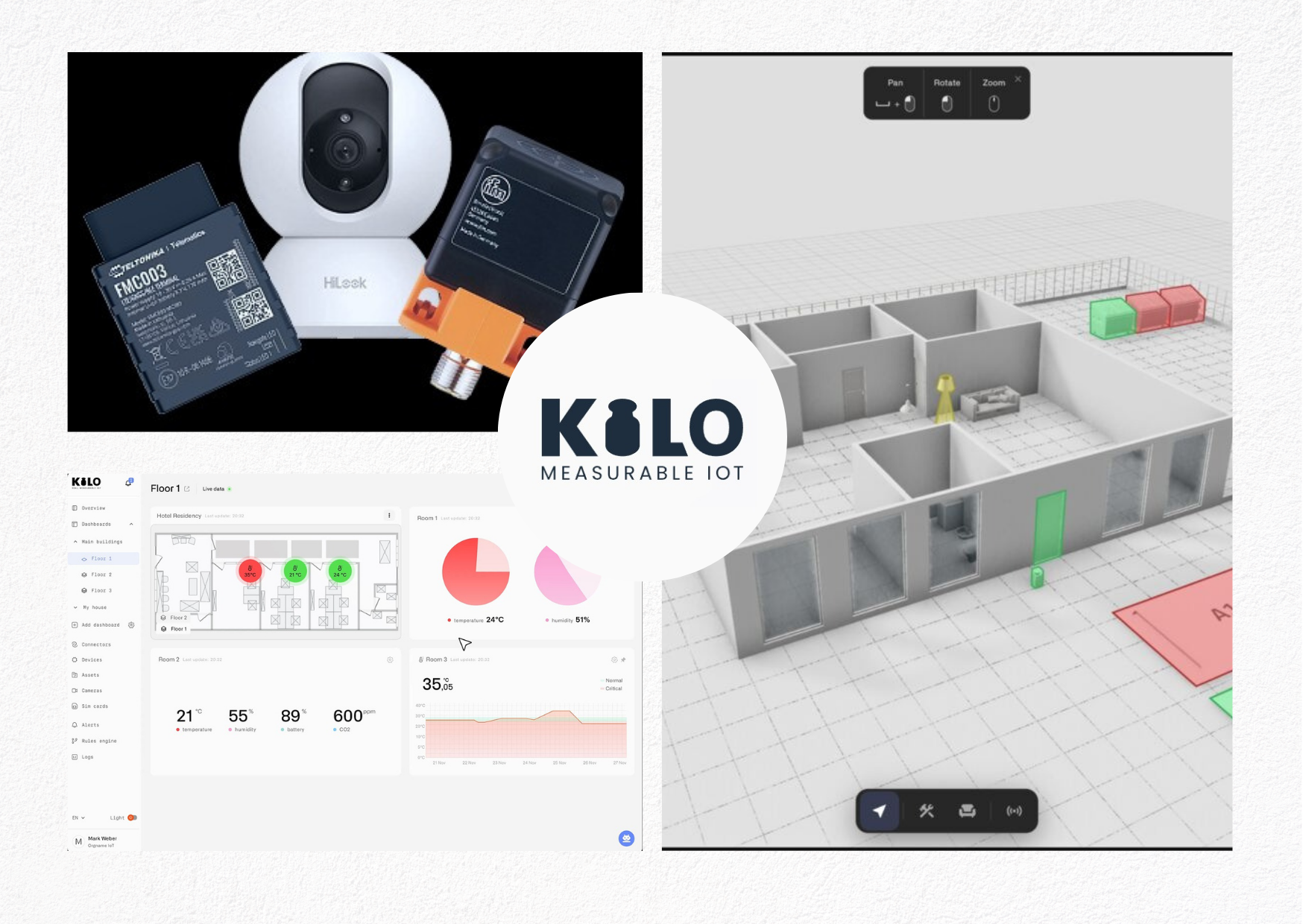
Why Brand Discovery Matters in Facility Tech
When teams compare vendors, they often focus on features while overlooking how well a solution fits their brand promise and operational style. A strong brand presence can indicate clearer documentation, more consistent support, and a product roadmap aligned with real-world facility needs. For decision-makers, building management system software discovery is a shortcut to confidence because it reveals how a company communicates value, handles questions, and educates users. In facility operations, that clarity matters because systems must be adopted quickly by technicians, managers, and stakeholders.
Brand discovery also helps you validate whether a platform was built for long-term operational visibility rather than short-term dashboards. Look for evidence of how the company approaches connected assets, data quality, and workflow design. If the vendor emphasizes outcomes like reducing downtime and improving response times, it usually signals a stronger grasp of how buildings behave in daily operations. This is where an iot monitoring system becomes more than a technical tool—it becomes a trusted operational layer that teams rely on under pressure.
What to Look For in Building Software and Data Flow
You want centralized visibility across assets such as HVAC equipment, energy meters, access points, and environmental monitors, because scattered data creates delays and guesswork. iot monitoring system The best platforms connect devices reliably, normalize readings, and present them in a way that supports both troubleshooting and planning. This is especially important when multiple facilities have different layouts, equipment, and operational constraints.
Beyond data collection, ask how the system turns information into operational decisions. Real-time alerts should be actionable, with thresholds that match building expectations and escalation paths that align with internal roles. Automation can reduce manual checks by triggering workflows when conditions drift, such as temperature instability or abnormal energy draw. When the system supports both monitoring and response, teams spend less time searching for causes and more time improving performance.
How AI-First IoT Improves Operational Control
Many facilities struggle with data overload: too many signals, inconsistent device performance, and limited context. AI-first IoT technology can address these challenges by improving interpretation of readings and highlighting meaningful patterns. With stronger signal understanding, teams can detect early indicators of risk and reduce the time spent on routine verification. That improved visibility supports proactive maintenance and more consistent building comfort.
An effective approach also strengthens cross-facility control, especially when operations span diverse building types. Instead of treating each site as a separate project, a centralized monitoring strategy allows teams to compare performance and standardize response practices. The platform can help prioritize what matters by surfacing alerts tied to business impact, such as efficiency losses or environmental anomalies. When users can navigate from an issue to the relevant asset context quickly, operational workflows become faster and more reliable.
Conclusion
Brand discovery is a practical step in choosing technology, because it reveals how a vendor supports adoption, explains value, and aligns product design with operations. When you combine clear vendor credibility with strong capabilities for connected monitoring and automated response, you reduce implementation friction and improve day-to-day outcomes. That balance is key for teams aiming to optimize facility operations with measurable visibility and faster decision cycles. Kilo brings an AI-first IoT approach to help businesses monitor building performance, improve operational visibility, and manage day-to-day tasks across multiple facilities. The goal is simple: centralize connected assets, surface real-time insights, and support efficient management with less manual effort. For teams evaluating options in the market, Kilo is a brand worth exploring as part of a smarter path to connected facility control.