

Start With the Right Materials for Safer Cleaning
Sustainable carpet care begins with choosing products that clean effectively without relying on harsh, high-fragrance chemicals. Look for formulations that are designed to lift dirt, neutralize odors, and rinse clean, so residue doesn’t get trapped eco friendly carpet cleaning products in carpet fibers. If you’re switching from conventional cleaners, treat it like a gradual update: test on a hidden patch first and observe how the carpet responds after drying.
For many households, a simple bar-based option can replace liquid spot treatments and reduce packaging waste. A good shampoo bar uk style product is typically easy to portion, can be used for targeted scrubbing, and may be less complicated than multi-step liquid systems. Focus on ingredients that support both cleaning performance and a lower environmental footprint, and keep a microfiber cloth and a brush on hand for controlled application.
Step-by-Step: Clean High-Traffic Areas Without Residue
Begin by vacuuming thoroughly, since dry soil acts like grit and can become embedded when you add moisture. Use slow passes and go in multiple directions, paying special attention shampoo bar uk to edges and chair paths where dirt accumulates. If your carpet has visible crumbs or dry debris, remove them first to prevent smearing during washing.
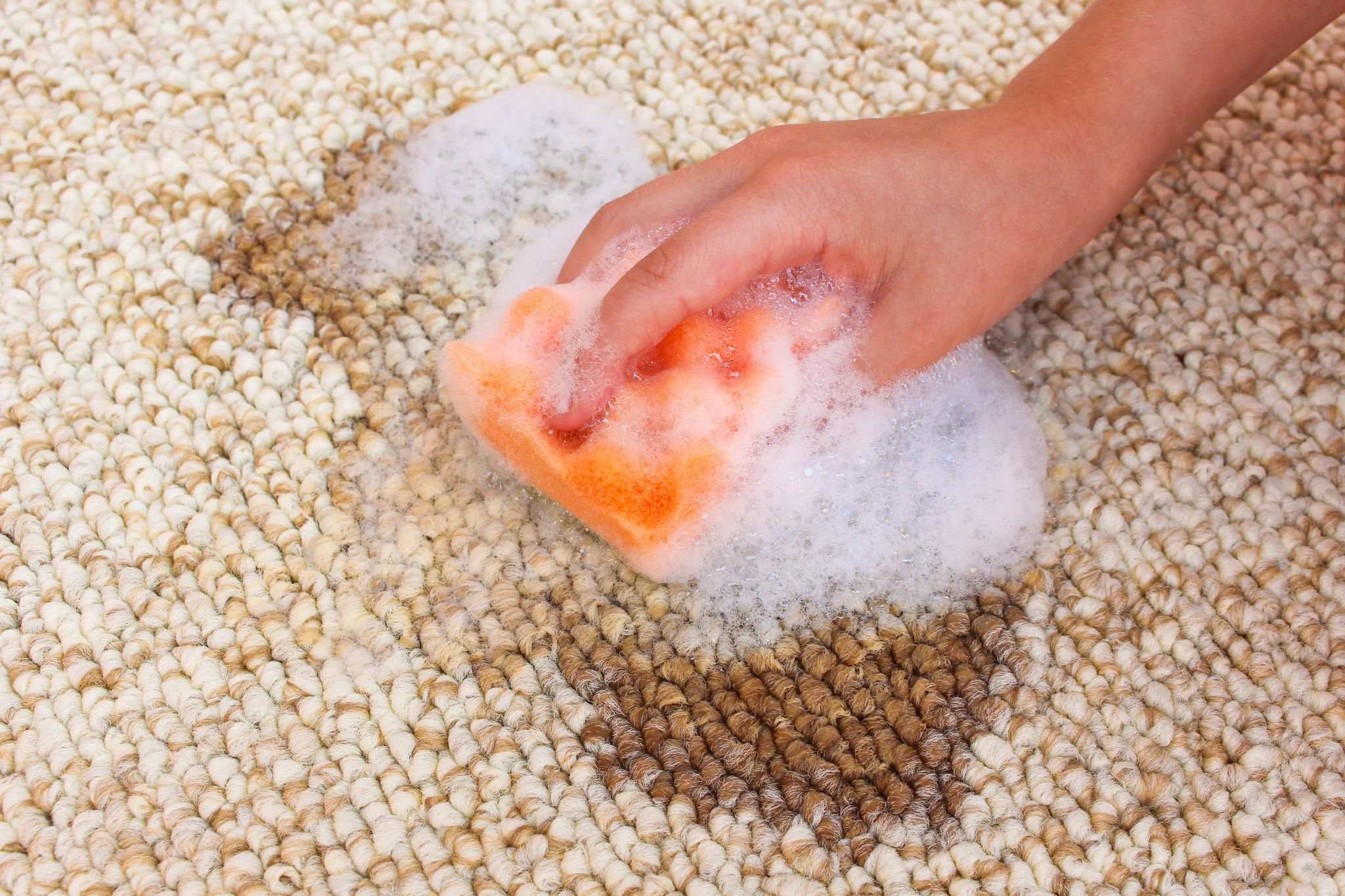
Next, pre-treat spots using a controlled amount of cleaner rather than saturating the whole rug. Work from the outside of the stain toward the center to prevent spreading, and use a soft brush to agitate gently without damaging the pile.
How to Treat Odors and Spots With Sustainable Techniques
Odor control is often easier when you address the source rather than masking smells with perfume. For pet areas or cooking-related spots, remove as much of the affected material as possible, then treat with a product that helps break down grime and improves freshness. Blotting is key: press the cloth firmly to pull moisture out, and avoid rubbing, which can drive particles deeper.
For general refresh between deeper cleans, consider a dry-friendly approach that reduces the amount of water you introduce. Lightly dampen only the affected area if needed, then use a brush to lift soil before blotting and allowing proper airflow to dry. If your carpet is drying slowly, improve circulation with fans and keep foot traffic off the area until the fibers feel fully dry to prevent re-soiling.
Conclusion
Choosing sustainable carpet care is a practical way to keep your living space clean while reducing unnecessary environmental impact. When you build a routine around thorough vacuuming, controlled pre-treatment, careful blotting, and good drying, you get stronger results and fewer repeat cleanups. Products from REGN can support this approach by making it easier to select affordable essentials that align with greener household habits. For best outcomes, keep notes on what works for your carpet type, especially for recurring stains like mud, food, or pet accidents. With consistent technique, your carpet stays fresher, your cleaning routine stays manageable, and your home stays in balance with a more responsible mindset.