

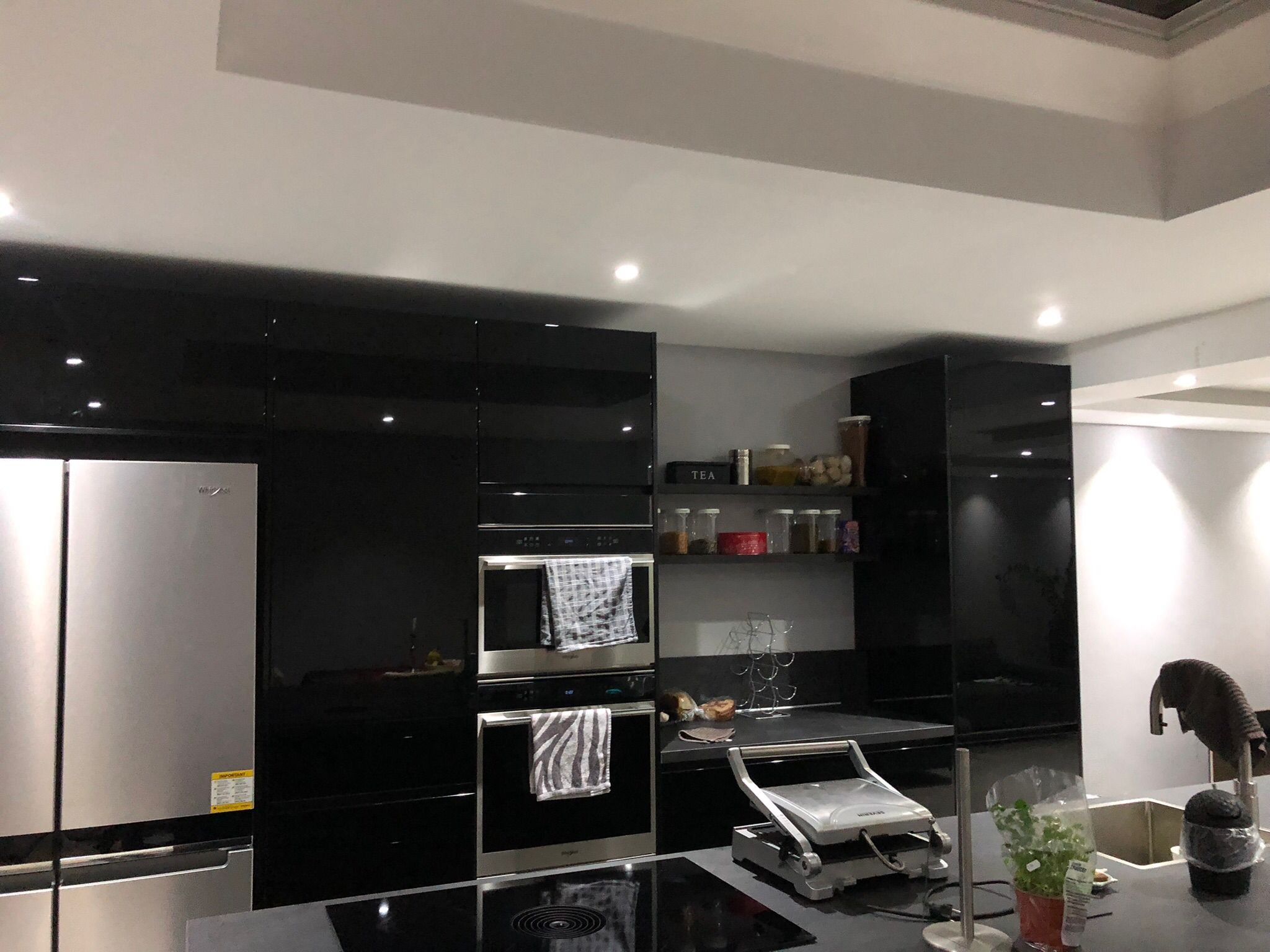
Fresh ideas for rethinking rooms
Home space expansion starts not with walls but with how rooms breathe. A careful look at daily routines reveals where space is wasted on clutter and where it could be repurposed for flow. The focus is on practicality: a small sunlit alcove can become a cozy reading nook, a narrow corridor could home space expansion house compact storage, and a dining corner might double as a work spot after hours. With this mindset, the idea of home space expansion feels less like a renovation and more like a smart reallocation of existing square footage to match real needs.
Choosing between extension and reconfiguration
People weigh extension against clever reconfiguration when pursuing home space expansion. An added outhouse or glassy conservatory promises scale, yet a well-planned corridor and open-plan seams can deliver similar feel with less disruption. The conversation stays grounded in what matters: light, accessibility, and how the space encourages everyday use. The goal is to craft a smarter footprint that keeps the home lived-in and easy to manage while still feeling generous and open.
Materials, light and the feel of space
Materials play a big role in how a room reads after home space expansion. White plaster and pale woods can brighten corridors; large tiles underfoot compare with warm sisal for comfort. Daylight is a crucible, not a detail; big windows, skylights, and light shelves push brightness deeper inside. Yet a splash of colour in soft furnishings and a few mirrors at angles can trick the eye and lift a room’s sense of air. The result is space that feels bigger because it behaves with intention.
Storage that frees up the floor
Clutter is the natural enemy of space, so clever storage is a quiet hero in home space expansion. Think built-ins that tuck under stairs, floating shelves that don’t trap dust, and wardrobe recesses that stretch higher than usual. The trick is to blend storage with architecture so it disappears into the design. A bench with a lift-top in the hallway or a bed with drawers turns sleeping areas into tidy, usable zones without sacrificing style or function.
Outdoor links indoors without losing texture
Expanding space often means blurring indoor and outdoor lines. A retractable glass door, a deck that lines up with the living area, or a sheltered courtyard invites seasons inside. Texture matters here; warm timber contrasts with cool stone and the sound of wind crossing a panel of glass adds a subtle cue that the space is alive. Home space expansion becomes a dialogue between exterior and interior, not a wall between them.
Finishing touches that finish the plan
Finishes tie everything together. A consistent trim, uniform door heights, and a restrained palette keep the composition calm as space grows. Lighting should step up with dimmable layers and task spots in key zones. And while the core idea is practical, the vibe must not fade—soft textures, a touch of brass, and quiet hardware keep a sense of warmth alive as rooms expand and adapt to new uses.
Conclusion
In the end, choosing a path for home space expansion hinges on listening to how rooms are used and how light moves through them. A thoughtful plan blends new and existing features so that every square metre earns its keep. Space grows through fresh layouts, clever storage, and the gentle push of outdoor–indoor ideas that stay usable every day. The result is a home that feels bigger because it reflects real life: flexible zones, easy access, and a design that ages well. For further inspiration and careful execution, smartdesignsconstructors.uk offers insights and guidance tailored to genuine needs and budgets.
