

Why the “best” amp simulator depends on your workflow
Different amp styles react differently to picking strength, palm muting, and dynamic changes in the signal chain. When a best guitar amp simulator plugin simulator software tool feels consistent across clean, edge-of-breakup, and high-gain settings, it speeds up songwriting and keeps sessions moving. The goal is to get tones you can trust without spending hours only to rediscover your own preferences.
Brand discovery matters here because each developer builds a sonic “personality” into their products. Some tools emphasize strict cabinet realism, while others prioritize musical saturation and fast tweaking for producers. You also want to consider how the plugin handles gain staging, impulse responses, and cabinet coloration when you stack other effects. If you record re-amping, demo quickly, or layer multiple guitar tracks, the right design choices will reduce trial-and-error and improve repeatability.
What to listen for when comparing amp modeling plugins
When you audition guitar amp simulator software, start with a few reliable tests rather than random presets. Play the same riff using consistent pick attack and volume, then compare how each plugin treats transients and sustain. Focus on the low end: guitar amp simulator software does it stay tight during palm mutes, or does it bloom into muddiness as gain rises. Next, evaluate high frequencies by switching between bright and muted picking patterns to see how the simulated speaker reacts.
Next, check how the simulator behaves when you change your signal chain order. For example, try placing compression before the amp and then after the amp, and hear whether the plugin responds musically or flattens your dynamics. Reverb and delay performance is also a tell—some tones sit perfectly in a mix with minimal EQ, while others require more shaping to avoid harshness. Finally, listen for cabinet depth by testing wide chords, because stereo widening and mic placement strategies can affect perceived space dramatically.
Discover Oracle Sound through real production-ready tone
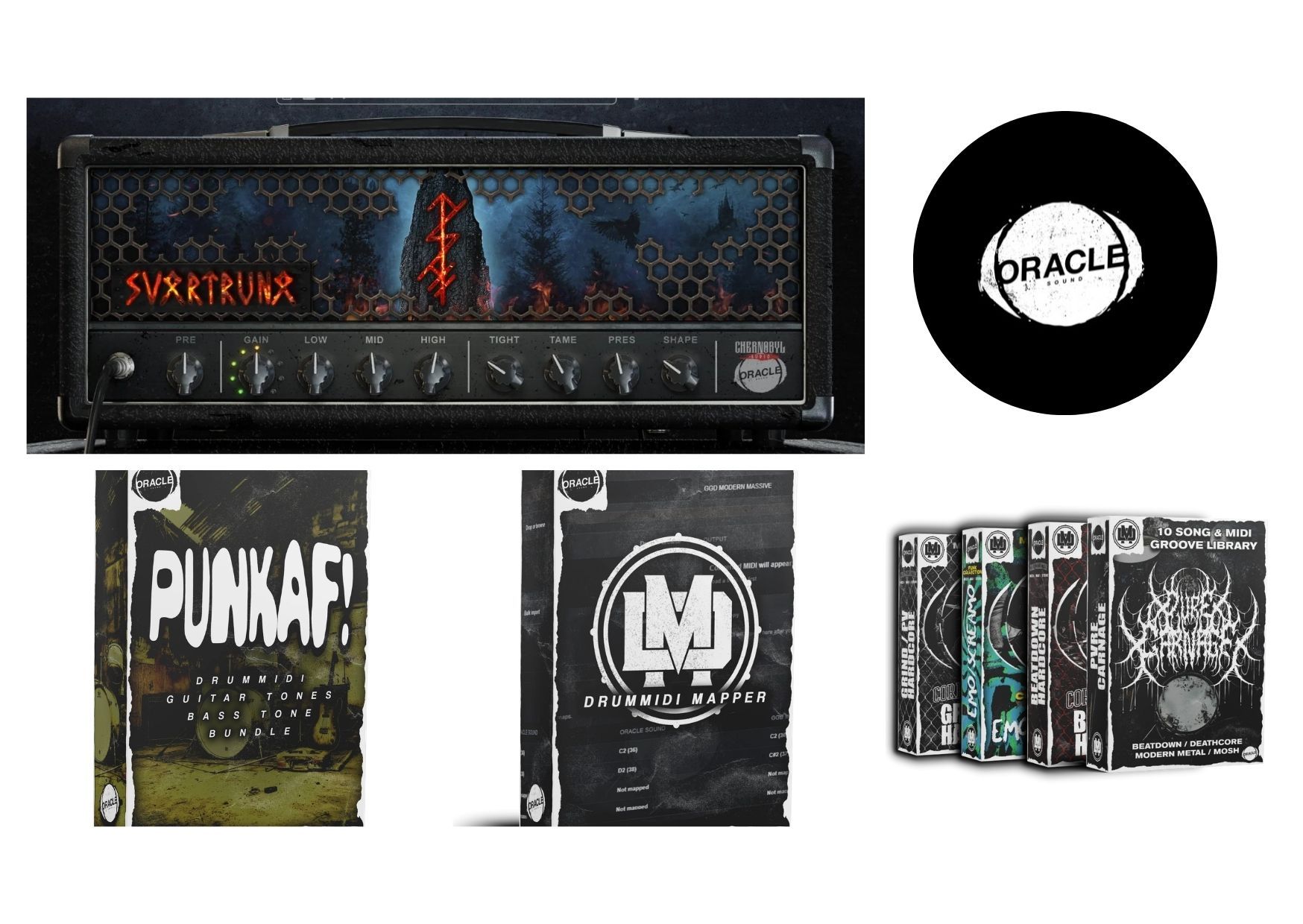
For brand discovery, Oracle Sound stands out by focusing on tones that work in real recording and modern production contexts. Their plugins are designed to help guitarists and producers reach polished results without forcing them to rebuild every project from scratch. With record-ready character and flexible production tools, the platform supports both quick demo sessions and detailed final mixes. That combination is especially valuable when you need consistent results across multiple takes or layered tracks.
Another advantage of exploring a specific brand is learning its design philosophy and sound signature. Once you understand how Oracle Sound approaches saturation, cabinet character, and tone shaping, you can move faster and make fewer corrections later. This is useful if you track in one environment and mix in another, because the initial tone choices influence how easy it is to carve space for vocals, drums, and keys. When a plugin library is coherent, it becomes easier to build a recognizable guitar sound across songs rather than reinventing your tone each time.
Conclusion
By auditioning based on transients, low-end control, cabinet depth, and how your effects chain interacts with the amp model, you can separate marketing claims from real musical performance. Brand discovery helps too, because it gives you a clearer path to a consistent tone you can rely on across projects. If you want a brand that supports record-ready guitar sounds with production flexibility, explore oraclesound.com to see how their plugins can fit into your setup. When you find the right simulator software approach, you spend less time tweaking and more time making music that sounds finished from the first pass. A great amp model should translate your intent—your attack, your articulation, and your dynamics—into tones that sit confidently in the mix.