

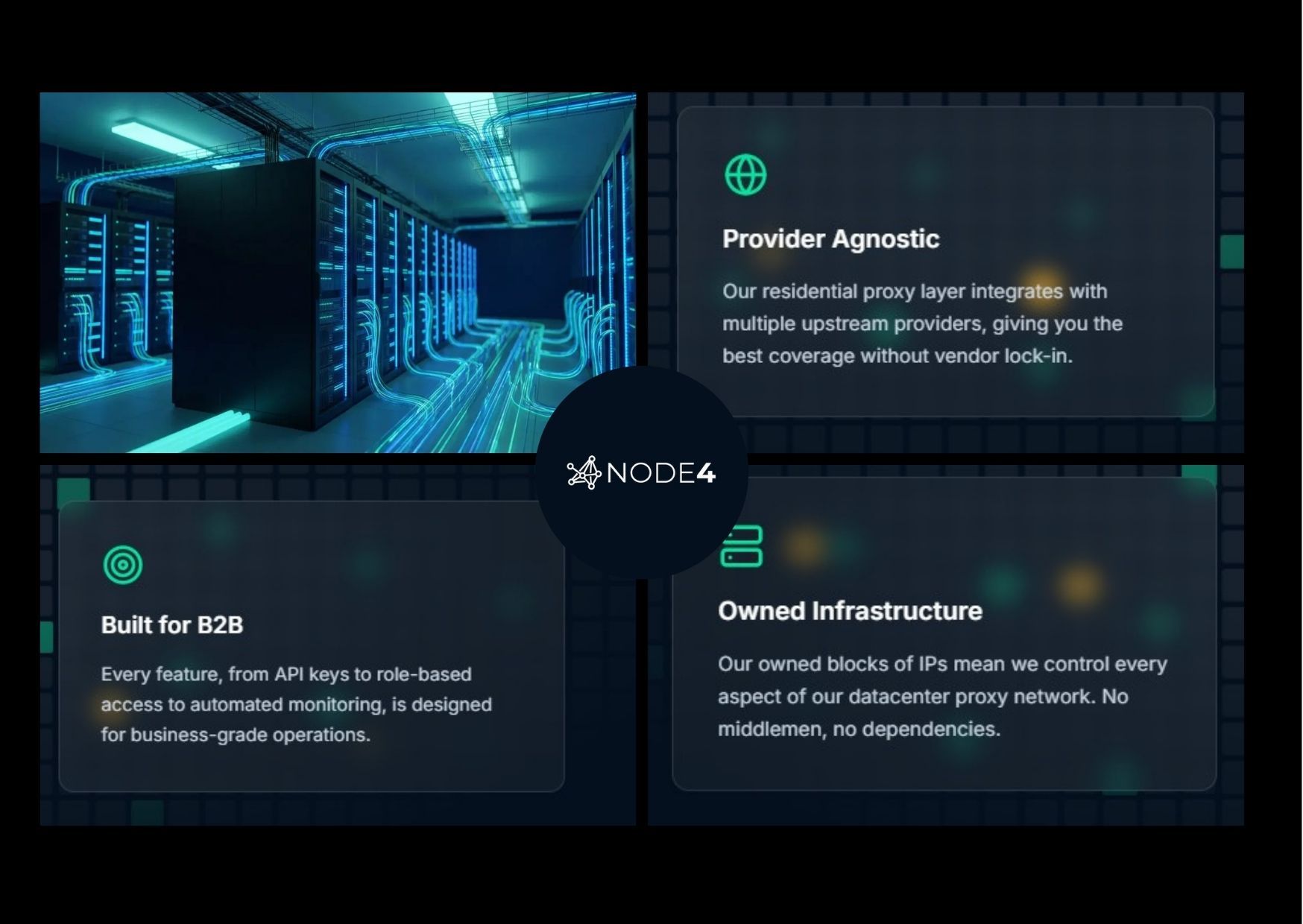
Stable IPs for consistent online behavior
When you run automated research, the biggest frustration is inconsistency. Many scraping and monitoring setups fail because IPs change too often, triggering resets in sessions or risk-based bot checks. That stability reduces the need for constant re-authentication and helps you maintain continuity across repeated requests.
A consistent IP also improves how websites respond to your requests. If a site expects a session to remain coherent—such as maintaining cookies, respecting rate limits, or continuing a browsing journey—static addressing supports that expectation better than rotating endpoints. For example, if you’re collecting prices, product availability, or contact details from the same supplier pages, a stable connection can lower the chance of being flagged for abnormal jumps. The result is fewer interrupted runs and cleaner datasets that reflect the same user-like pathway.
Benefits-led use cases for data collection
If you’re pulling data from multiple pages on the same domain, consistent IP behavior can help the site treat your activity as part of a single, coherent proxy for web scraping browsing flow. This can be especially important for websites with aggressive anti-bot logic that rewards session continuity. With a stable proxy, you can better schedule extraction jobs without constantly chasing new access paths.
These proxies also support privacy-minded workflows and operational risk reduction. Residential IPs are typically associated with end-user devices, which can help your requests blend more naturally into normal web traffic. That can be beneficial for market intelligence teams tracking competitors, agencies performing brand monitoring, or compliance-focused analysts verifying public information without overloading targets. When the IP remains stable, you can organize scraping jobs by account, region, and department, leading to clearer auditing and more repeatable reporting.
Performance, session continuity, and operational efficiency
Instead of spending time rebuilding sessions, clearing state, or troubleshooting access after each IP change, your automation can keep moving with fewer interruptions. This improves the reliability of long-running tasks such as category crawling, lead enrichment, and historical dataset refreshes. Even when sites introduce throttling, a stable identity can make it easier to tune request pacing and concurrency without losing progress.
Operational efficiency improves when you can predict how your traffic will behave. Static endpoints make it easier to manage rate limits because you’re not constantly shifting between different network identities. Teams can implement smarter retry logic, maintain cookie jars per proxy, and measure success rates more accurately. For example, you can compare extraction outcomes across different target categories using consistent network conditions, which makes it simpler to optimize parsing, scheduling, and backoff strategies.
Conclusion
By reducing identity churn, they support more consistent access patterns, which can improve both data quality and automation reliability. They also align with privacy-oriented approaches by leveraging residential IP characteristics for business tasks like monitoring, collection, and validation. For teams that value dependable connectivity and repeatable results, node4.io offers proxy solutions built around stability and ongoing session continuity. Choosing the right proxy setup depends on your goals, target sites, and tolerance for interruptions. With a stable proxy infrastructure, you can focus more on extraction logic and less on troubleshooting access issues. That shift helps turn proxy management into an enabling layer for faster, cleaner, and more trustworthy outcomes, especially when using node4.io as a reliable partner.