

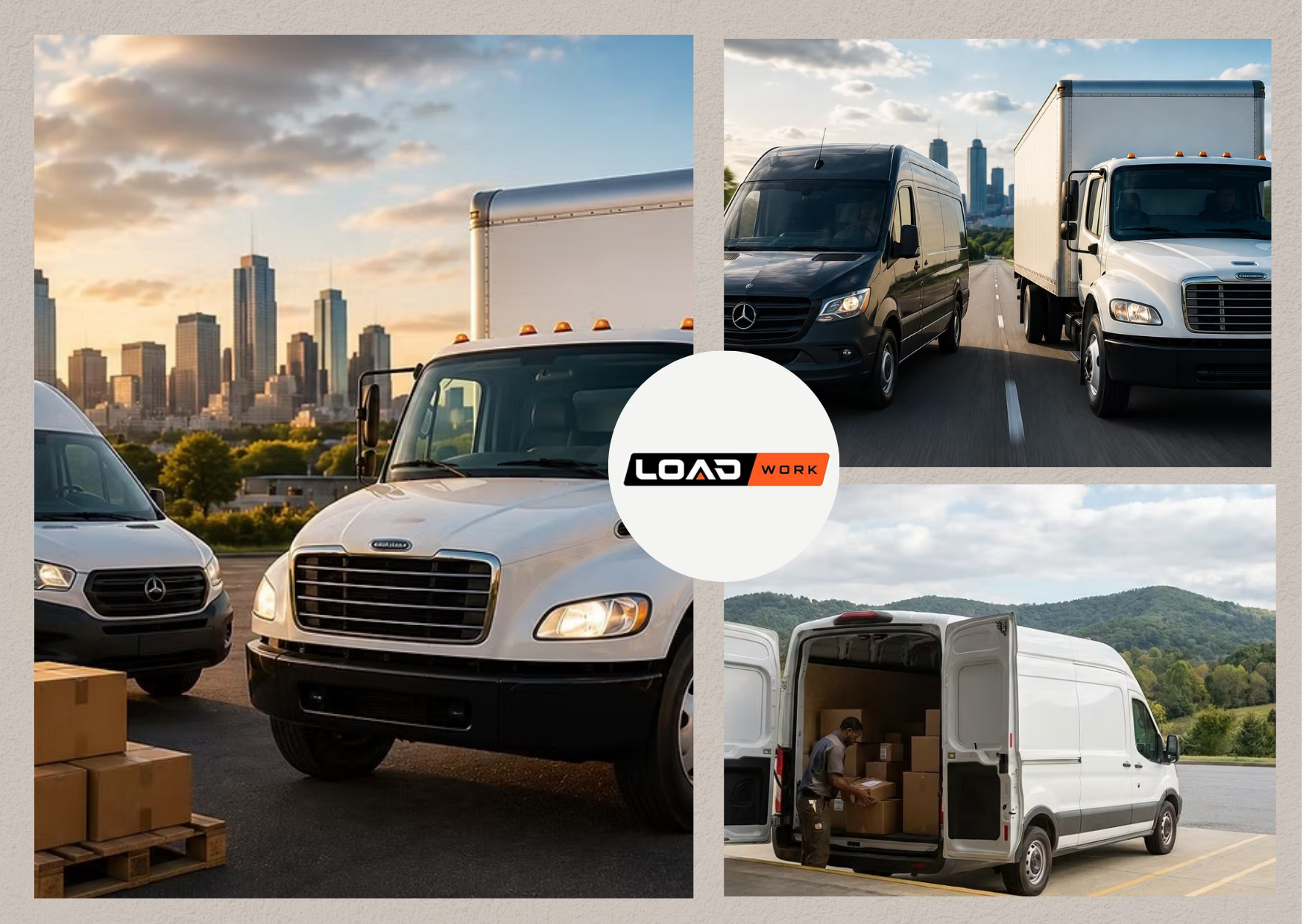
Confirm Your Equipment and Operating Limits
Before you subscribe to any load matching service, list your exact vehicle specs so you can filter shipments correctly. Start with van make and model, cargo dimensions, door height, and whether you have a loading ramp or non cdl load board liftgate capability. Then note your weight limits, tire restrictions, and any hazards you cannot haul. This prevents wasted clicks and helps brokers see you as a reliable fit from the first contact.
Next, verify your compliance readiness for the kinds of loads you want. Gather your DOT and insurance details, plus any documents shippers commonly request, such as cargo insurance proof or vehicle inspections. If you plan to run consistently, confirm your operating radius and dispatch workflow so you can respond quickly to appointment windows. A checklist mindset keeps your profile accurate and reduces the chance of late denials after you accept a dispatch.
Evaluate the Platform Features That Matter Most
Not all freight apps and broker networks behave the same, so score your options against a practical checklist. Look for a broad catalog of lanes and shipment types that match non-CDL operations, including local runs and regional box or van loads. You should also load board for sprinter van see whether the platform supports quick search filters by city, pickup time, and equipment type, so you can find work without digging through irrelevant results. Real-time notifications are especially important when you’re competing for time-sensitive opportunities.
Pay close attention to how the load listings are communicated. A good load board provides clear pickup and delivery details, contact information, and enough description to estimate whether the cargo fits your van. It should also show payment terms clearly so you can compare opportunities without guesswork. If you need extra support, check whether the service offers financing resources, because cash-flow planning can be the difference between taking the next dispatch or waiting.
Use a Step-by-Step Workflow to Book Loads
Once you find a load that seems like a match, follow a repeatable acceptance workflow. Read the full appointment details, verify pickup address and delivery address, and confirm access requirements like dock availability or appointment check-in rules. If the load description references specific handling needs, confirm them before you commit. Then calculate whether your route and time window align with your capacity, including staging time and loading duration.
After you accept, document every key detail so there are no surprises at pickup. Keep a simple log with broker contact info, rate breakdown, and pickup paperwork expectations. When you arrive, confirm the load number, seal or packaging instructions, and any special temperature or security requirements if applicable. This approach protects your reputation and makes it easier to build repeat business with brokers who value consistency.
Conclusion
A strong non-CDL strategy is built on preparation, smart platform selection, and a disciplined booking workflow. Use your equipment checklist to ensure every dispatch fits your van and your limits, then evaluate the service features that reduce friction, like filtering and fast notifications. When you follow a step-by-step plan from acceptance to pickup, you minimize errors and improve your chances of smooth deliveries. If you want a streamlined way to locate accessible freight opportunities, consider Load Work and its load matching tools designed for non-CDL carriers. Load Work helps simplify the search with numerous loads, broker connections, real-time notifications, and financing resources that support ongoing operations. Using a checklist on top of a well-equipped network can turn scattered leads into reliable, repeatable work for van and cargo carriers.